The New York Times

Nature

The New York Times
Time Warped
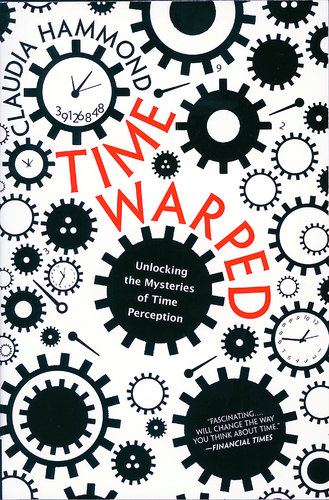 In this book, the British radio journalist Claudia Hammond delves into scores of experiments on how we track the seconds, hours, months and decades. At each duration she finds distortions and paradoxes, revealing the persistent “capriciousness, strangeness and mutability” of time as we sense it ... [link]
Nature
Sound Chaser
Audio sculptor Bill Fontana creates recordings of particle generators as artist-in-residence at CERN, Europe’s particle-physics laboratory near Geneva, Switzerland. Ahead of his opening lecture, Fontana talks about probing the links between the speeds of sound and light, and chasing vibrations in gases, liquids and solids... [pdf]
Nature
The Digital Knitter
Genevieve Dion works at textile engineering's cutting edge at Drexel University in Philadelphia, Pennsylvania. Ahead of the Smart Fabrics conference in San Francisco, California, she talks about knitting robots, permanently pleating silk and charging mobile phones from shirts. [pdf]
Nature
Knowledge Liberator
Robert Darnton heads the world's largest collection of academic publications, the Harvard University Library system. He is also a driver behind the new Digital Public Library of America. Ahead of its launch in April, he talks about Google, science journals and the open-access debate... [pdf] [link]
Nature
Chronicler of Conflict
Historian Richard Rhodes writes on the roots of violence and warfare, in particular the development of nuclear weapons. He talks about Reykjavik — his play on nuclear disarmament — and his upcoming book on the Spanish Civil War, That Fine Place...[pdf]
Nature
Hot Tickets for 2013 in Science and Art
This is your year if you want to rub shoulders with canine cosmonaut Laika or astronomer Galileo Galilei; travel through time, oscillate, get lost in a fog sculpture or ponder extinction; or listen to sound projected through liquid nitrogen... [pdf]
Walking the Edge at Sundance
The film industry has long been preoccupied with the leading edge of technological research — from Metropolis to Transformers — and with the ethical and social ambiguities that surround it. A range of movies tackle those grey areas at this year’s Sundance Film Festival in Utah... [pdf]
Nature
Iceberg Imager
Camille Seaman photographs icebergs and storm clouds. With an exhibition of her work opening in January in San Francisco, California, she talks about stalking supercell storms and watching hungry polar bears destroy a bird colony... [pdf]
The New York Times Book Review
Me Translate Funny One Day
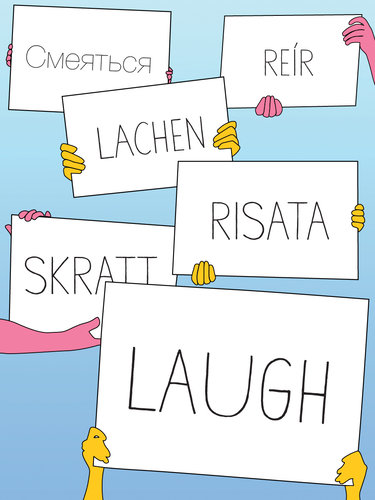 Can humor be translated? Among the polyglots who convened this month for the annual meeting of the American Literary Translators Association, there is a sense of cautious optimism that at least some measure of levity can migrate between languages... [text]
Nature
Collision Creator
Julius von Bismarck is the first artist in residence at the particle-physics laboratory CERN, near Geneva in Switzerland. As he prepares to give the final lecture of his residency, he talks about whipping mountains, hacking photographs and digging into the history of invention... [pdf]
The New York Times Book Review
Science Chronicle
 A roundup review of new books on the promises of human enhancement, new directions for scientific literacy, how to get a job by solving brainteasers, and rogue artists working at the edge of science. [text]
Bio
Bio
I'm a journalist who covers science and culture. I write The Scan column for the Science section of the New York Times. I also conduct interviews for the science journal Nature. I live, and sing, in San Francisco.
Nature
Postcards from Dystopia
 Novelist Margaret Atwood’s essay collection In Other Worlds: SF and the Human Imagination is a companion piece to her dystopian fictional world of global warming and engineered plagues. The Canadian author discusses where she gets her science, and her concerns for the future. [pdf]
Nature
Internet Visionary
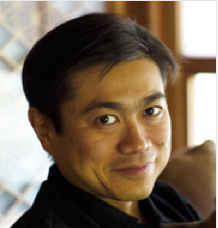 As the new director of the Media Lab at MIT, Joichi Ito brings his knowledge of Internet start-ups — including Flickr, Twitter and Creative Commons — to the lab that developed the ideas behind the game Guitar Hero and Amazon Kindle's E-Ink technology. Ito talks about the value of playfulness and freedom in scientific discovery... [pdf]
Nature
Werner Herzog on Cave Paintings
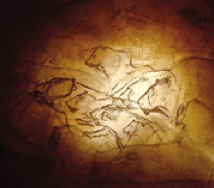 As he releases a 3D documentary about the prehistoric paintings in Chauvet Cave in southern France, Werner Herzog — the German director of Fitzcarraldo and Grizzly Man — talks about cave art and the hostility of nature. [pdf]
Nature
The Space Man
NASA astronomer Richard Berendzen advised the science-fiction film Another Earth, winner of the Sloan Prize for science at Sundance this year. On the film's release, he talks about parallel worlds and the future of human space exploration. [pdf]
Monkey Don't
In 1973, Herbert Terrace, a psychologist at Columbia University in New York, embarked on an experiment to teach sign language to an infant chimpanzee named Nim Chimpsky. On the release of the documentary Project Nim, Terrace talks about research ethics, chimp cognition and the origins of language. [pdf]
The machinist
Dutch artist Christiaan Zwanikken makes computer-controlled mechanical sculptures, many of which use animal skeletons he has found. He discusses the relationships between humans, animals and machines. [pdf]...
Isabella Rossellini on Animal Behavior
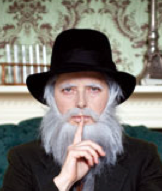 Isabella Rossellini, star of films including Blue Velvet and Big Night, has made a series of short films on the mating rituals of insects and sea creatures. As her latest humorous biopic debuts in the United States, Rossellini explains why she is fascinated by animals [pdf]
Steakhouse Science
Nathan Myhrvold trained as a quantum cosmologist and was chief technology officer of Microsoft before founding a company that acquires patents. As he publishes a six-volume work on the science of cooking, Myhrvold explains why chemistry techniques could soon be seen in every restaurant... [pdf]
Nature
The Scent Collector
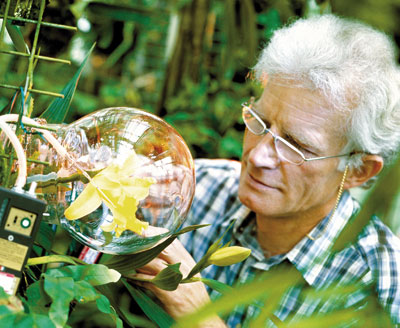 Roman Kaiser gathers the scents of rare and endangered plants and recreates them in his laboratory. For this interview in Nature, the Swiss chemist explains how he preserves the fragrances of disappearing flora...[pdf] [paid link]
Nature
Science at Sundance
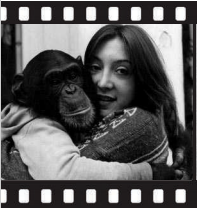 This year at the Sundance Film Festival, a number of films explore the subtleties of human and animal behavior, the impact of new technologies, and the personal lives of scientists... [pdf] [paid text]
The New York Times Book Review
New Fiction in Translation
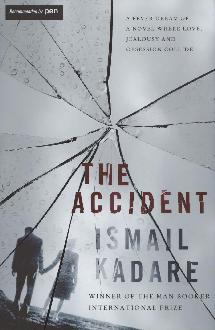 A post-mortem romance from a noted Albanian novelist, a collection of early stories from a Spanish master of suspense, a flawed first novel by a Belgian literary phenomenon, and a brilliant novel of ideas set in volatile Argentina. [text]
Nature
Roger Penrose
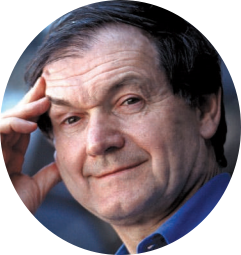 As he publishes his collected works — six volumes comprising more than 5,000 pages — mathematical physicist Roger Penrose muses on 50 years of groundbreaking research in general relativity, quantum mechanics, cosmology, geometry and consciousness... [pdf] [paid text]
The New York Times Magazine
Emotional Spellcheck
 Drawing on the opinions of thousands of people who have been paid to evaluate the emotional charge of various phrases, ToneCheck offers typists a chance to reconsider their words. The program may eventually allow companies to prevent employees from sending e-mails that violate their “tone policy”... [video and text]
Perfect Parallel Parking
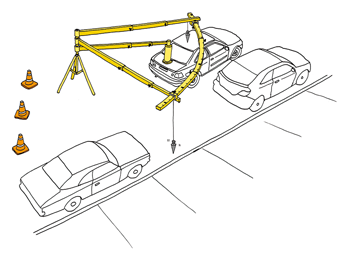 Late last year, the mathematician Simon Blackburn devised a simple formula for “perfect parking.” When a Louisiana math teacher found the formula unrealistic, he set out to improve the model... [text]
Nature
The Ideas Lab
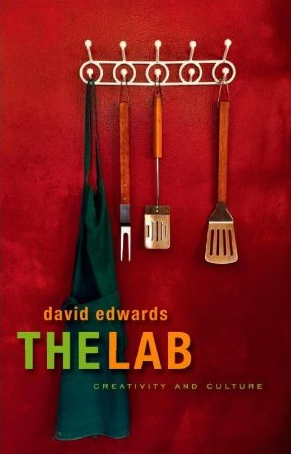 Harvard engineer David Edwards has built a growing empire of labs, galleries and non-profit organizations that stretches from Paris to Cape Town. His latest book, The Lab, calls for a new breed of small, flexible institutions to support researchers who blur the lines between science, business and art... [paid text] [free pdf]
Nature
Deception by the Numbers
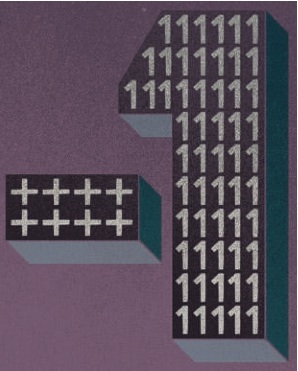 Bad statistics are “toxic to democracy”, argues science journalist Charles Seife in his latest book Proofiness. Seife's polemic against the reporters, politicians, scientists, lawyers and bankers who spread tenacious and specious statistical claims is strident but sobering... [partial text] [pdf]
The New York Times
Benoit Mandelbrot, Father of Fractal Geometry
 Benoît B. Mandelbrot, a maverick mathematician who developed an innovative theory of roughness and applied it to physics, biology, finance and many other fields, died on Thursday in Cambridge, Mass. “If you take the beginning and the end, I have had a conventional career,” he said. “But it was not a straight line between the beginning and the end..." [text]
BusinessWeek
Napping at Work
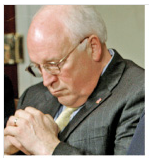 Ever since the modern science of napping emerged in the early '80s, short periods of sleep have been shown to improve alertness, memory and motor skills, all while cutting down on stress, carelessness, and even heart disease. With Americans averaging fewer than seven hours of sleep per night, many companies have turned to the humble nap in an attempt to stave off fatigue-related losses in productivity... [text]
The New York Times
Gerson Goldhaber, Physicist
Gerson Goldhaber, who after a long career studying particle physics turned his attention to the outer reaches of the universe and found early evidence that dark energy was pulling it apart, died on July 19 at his home in Berkeley, Calif... [text]
The New York Times
Arnold Kramish, Nuclear Expert
Arnold Kramish, a physicist who survived an explosion while working on the Manhattan Project and later became an expert on nuclear proliferation and espionage, died on June 15 in Washington... [text]
The Future of Opera
 The inventor and composer Tod Machover, whose group at MIT's Media Lab developed the technology behind Guitar Hero, has built instruments for musicians from Prince to Yo-Yo Ma. As Machover prepares for the world premiere of his robotic opera Death and the Powers in Monaco in September, he explains how his interactive performance techniques might lead to personalized therapies... [text] [pdf]
Nature
Icarus at the Edge of Time
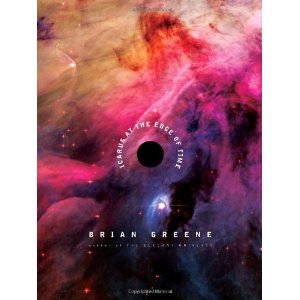 Brian Greene, author of best-selling books The Elegant Universe and The Fabric of the Cosmos, is a theoretical physicist at Columbia University. As an orchestral work based on his 2008 children's book, Icarus at the Edge of Time, premieres at the World Science Festival in New York City, Greene discusses black holes and how music might portray the physics of warped space-time... [text] [pdf]
Nature
Sylvia Earle on Oceans
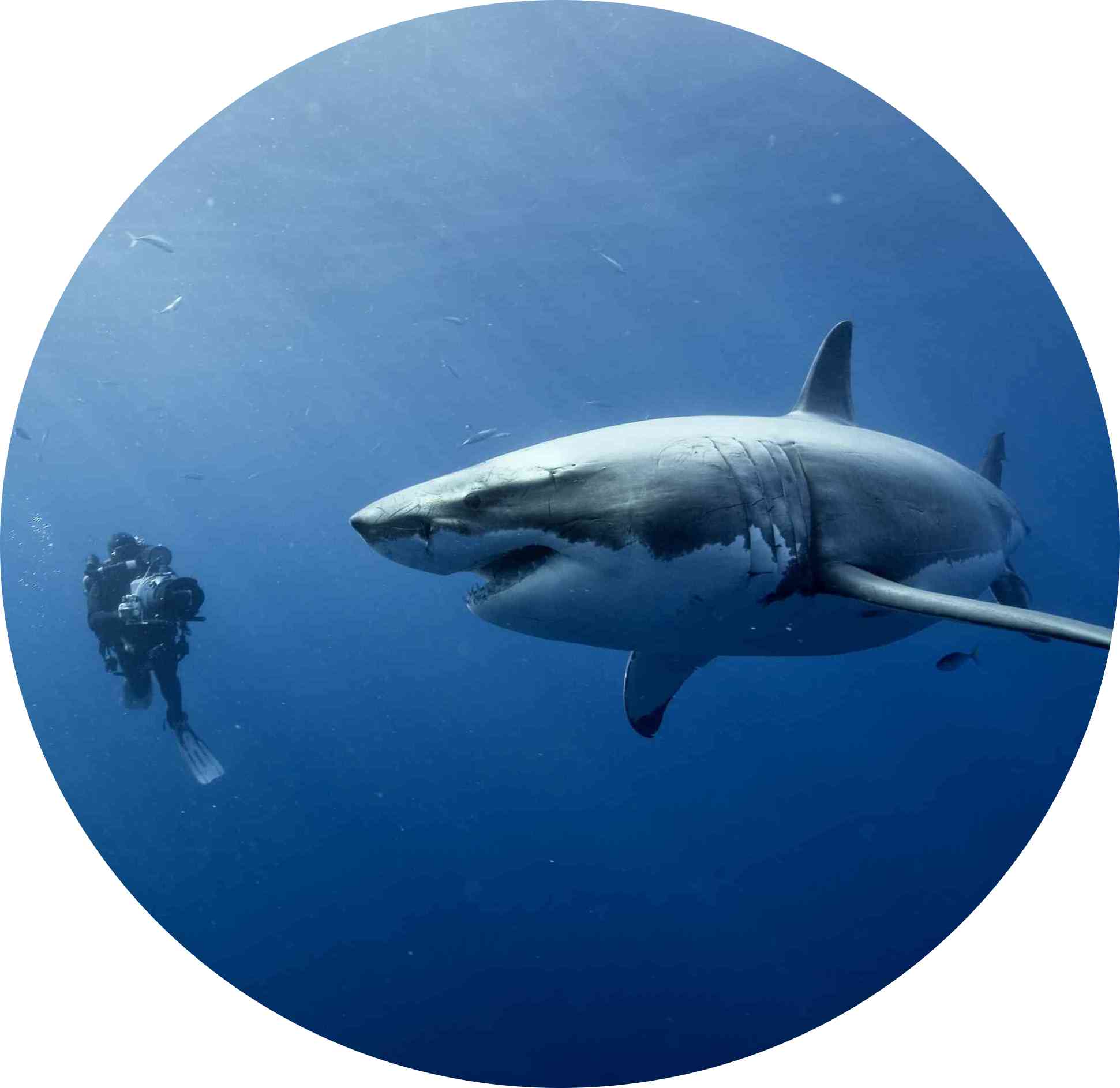 Oceanographer and underwater explorer Sylvia Earle advised on Disney's recent cut of the documentary film Oceans. In anticipation of the release of the Census of Marine Life this fall, Earle explains why films are important for raising awareness of the state of our seas. [text] [pdf]
Nature
The Omnipresent Hubbub
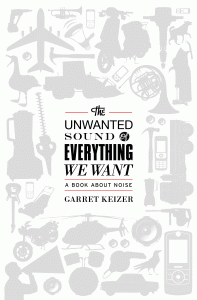 Noise is hard to define, but we know it when we hear it. In The Unwanted Sound of Everything We Want, writer Garret Keizer exposes the history of noise, its opponents and apologists, and recent efforts to measure and curb it. The result is a scattered mosaic that uses the conceit of human clamour to reveal the paradoxes of post-industrial life...[pdf] [text]
The New York Times
Robert Pound, Physicist
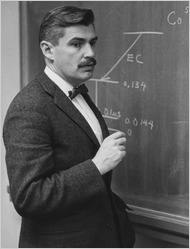 Robert Pound, a Harvard physicist whose experiments confirmed general relativity and paved the way for magnetic resonance imaging, died on April 12 in Belmont, Mass. He was a tinkerer at heart. One student recalls finding him in the machine shop, turning a piece of metal on the lathe in his bow tie and tweeds... [text]
Nature
Beyond the Tragic Genius
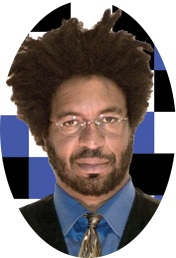
 A lonely man flirts with madness to recover truth—or so it goes in films from Pi to Proof. But where did the figure of the tragic mathematician originate? In Duel at Dawn, historian Amir Alexander pierces the haze that has gathered around great mathematical lives to reveal gloriously complicated men... [pdf] [text]
Nature
Sundance 2010
 At this year's Sundance Film Festival, many of the science-related films are concerned with disaster scenarios, both real and imagined. There are documentaries about nuclear proliferation, climate-change refugees and invasive Australian toads, not to mention fiction films about vicious human-animal hybrids, post-apocalyptic Kenyan botany, and an encyclopedia of obsolete things that may eventually include the human race... [pdf] [text]
Contact
Contact
If you have an event, talk, film, exhibit or book to submit to The Scan column in the New York Times, please email me here. (I will reply if I can cover it.)
If you want to get in touch for any other reason, you are welcome to email me here.
(You can also find me on Facebook, Twitter, and LinkedIn.)
The New York Times
Mental Snapshots
 Frustrated by the lack of attention to everyday experiences in the field of psychology, Russell T. Hurlburt has devised an unconventional method to investigate the mental lives of his subjects. In Describing Inner Experience?, he presents the case of Melanie, a young woman who was fitted with a beeper that randomly prompted her to record everything in her awareness several times a day... [text]
The New York Times
Perfect Rigor
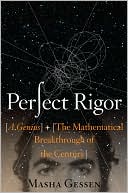 In 2002, a Russian mathematician named Grigori Perelman solved the Poincaré conjecture, a problem that had resisted proof for a century. But soon after he gave up mathematics and retreated to his mother's apartment in St. Petersburg. Why did Perelman turn his back on the world? This question haunts Masha Gessen’s “Perfect Rigor,” a dogged portrait of an elusive man... [text]
The New York Times Magazine
Killer Earth
 The Gaia hypothesis states that life preserves the conditions for its own survival. But Peter Ward, a paleontologist who specializes in mass extinctions, takes a dimmer view of life on earth. Seeing a tangle of organisms that have evolved to starve their competitors and pollute their surroundings, he argues that for billions of years the biosphere has been its own worst enemy... [text]
Nature
The Space Entrepreneur
 As his animated feature Quantum Quest — made with real footage from the Cassini spacecraft — is previewed at the Imagine Science Film Festival in New York, space exploration consultant Harry Kloor shares his thoughts on manned space flight and the use of prizes to motivate adventurous science... [text] [pdf]
Nature
An Ear for the Past
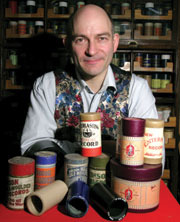 Engineer Duncan Miller has spent decades reviving the lost art of acoustic recording to wax cylinders, a technique pioneered by Thomas Edison. His Vulcan Cylinder Record Company has combined sleuthing and modern chemistry to craft a new repertoire for the hand-cranked phonograph... [pdf] [text]
Scientific American
The Philosophical Baby
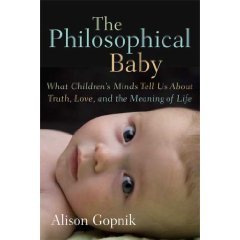 In her provocative new book, developmental psychologist Alison Gopnik argues that babies are in some ways “actually smarter, more imaginative, more caring, and even more conscious than adults are.” [full text]
The National
On the Rocks
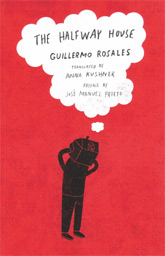 It would be easy to mistake Guillermo Rosales' The Halfway House for a novel about the plight of Cuban immigrants struggling to adapt to life in America, or a novel about the inhumanity of mental institutions. But the book does not fit easily into either category... [text]
Nature
A Fresh Take on Food
 "What's in the fridge?" may not seem a weighty question. But food is one of our oldest and most advanced technologies. Over the centuries, armies and empires have stood and fallen on the strength of their provisions. And as two new books and a documentary film show, we all have a stake in what we eat. [pdf]
[text]
"What's in the fridge?" may not seem a weighty question. But food is one of our oldest and most advanced technologies. Over the centuries, armies and empires have stood and fallen on the strength of their provisions. And as two new books and a documentary film show, we all have a stake in what we eat. [pdf]
[text]
Nature
The Technology of Illusion
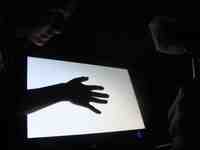 Magic is not limited to the tricks performed at children's parties. It can refer to anything that resists explanation, from cognitive illusions to high-tech wizardry. This broader sense of magic was in the air in Lima, Peru, earlier this spring, when engineers and artists converged to explore the intersection of magic and technology, with awe-inspiring results... [pdf] [text]
Nature

Nature
 "
"Believer
Senselessness
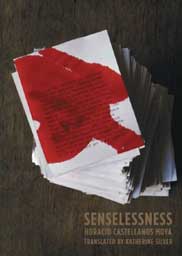 A number of Guatemalan authors have imagined exiles returning to confront the bloody past. Horacio Castellanos Moya, a Salvadoran journalist who now lives in Pittsburgh, tells a narrower story in his intemperate seventh novel Senselessness... [pdf]
[partial text]
A number of Guatemalan authors have imagined exiles returning to confront the bloody past. Horacio Castellanos Moya, a Salvadoran journalist who now lives in Pittsburgh, tells a narrower story in his intemperate seventh novel Senselessness... [pdf]
[partial text]
Nature
Nature
Pursuing the Infinite
 The authors of Naming Infinity argue that an esoteric Christian sect contributed to advances in set theory in Russia at the dawn of the 20th century. But they reveal a much larger drama: the flourishing of mathematics under the repression of the early Soviet regime... [pdf] [text]
Nature
Nature
Praying for Success
Scientific American
Out of Our Heads
 It seems clear that to understand the mind, scientists will have to keep studying the brain. But in his new book, philosopher Alva Noë argues that we have been looking for consciousness in the wrong place... [full text]
Nature
Science at Sundance
It will be a good year for films about science, judging from the screenings at the 2009 Sundance Film Festival. Some of the best films examined the human mind... [full text]
The New York Times Book Review
Beyond Guernica
 The Basque novelist Bernardo Atxaga has spent his career moving between fairy tales and terrorism. These two worlds converge in “The Accordionist’s Son,” a sprawling novel about the legacy of civil war in Spain ... [full text]
The National
The Man with Two Minds
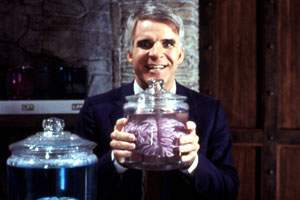
The plot of John Haskell's slim new novel, Out of My Skin, might barely sustain a sitcom: After meeting a Steve Martin impersonator, the narrator begins to practice "the art of continuous Steve." But the novel is a rigorous inquiry into the desire to reinvent oneself... [full text] [pdf]
Nature
Science on Stage
 Last year, after a play about the life of evolutionary biologist Robert Trivers, a stranger walked to the stage and said, "You got it exactly right." It was Trivers himself...
[full text] [pdf]
Last year, after a play about the life of evolutionary biologist Robert Trivers, a stranger walked to the stage and said, "You got it exactly right." It was Trivers himself...
[full text] [pdf]
Nature
Chemistry in the Kitchen
 Voted the world's best restaurant, elBulli offers an unusual culinary experience, from hot velvet-crab aspic with mini-corncob couscous to ice-cold liquorice nitro-dragon dessert. Innovative head chef Ferran Adrià explains how science and haute cuisine can work together... [pdf]
[full text]
Voted the world's best restaurant, elBulli offers an unusual culinary experience, from hot velvet-crab aspic with mini-corncob couscous to ice-cold liquorice nitro-dragon dessert. Innovative head chef Ferran Adrià explains how science and haute cuisine can work together... [pdf]
[full text]
The New York Times Magazine
Carbon Penance
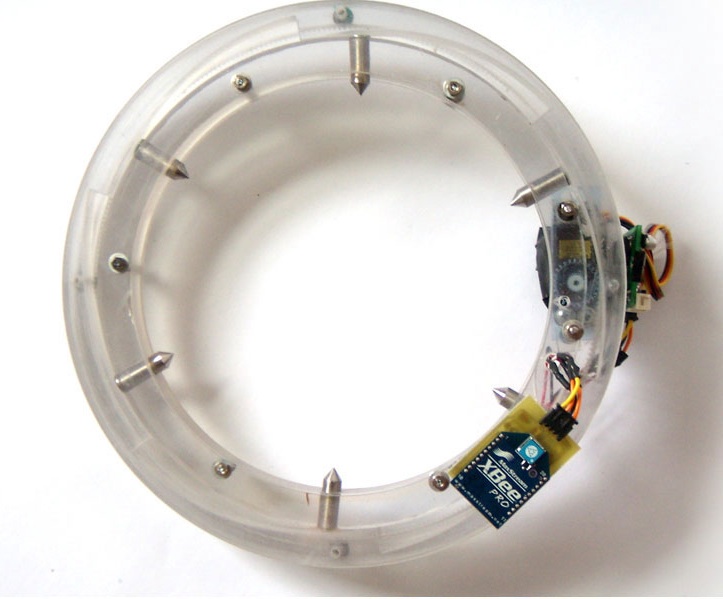 Annina Rüst wanted to help relieve environmental guilt by giving people a tangible reminder of their own energy use, as well as an outlet for the feelings of complicity, shame and powerlessness that surround the question of global warming... [full text]
The New York Times Magazine
Scrupulosity Disorder
As the believing man’s version of obsessive-compulsive disorder, the diagnosis of scrupulosity raises questions about where, exactly, the line is to be drawn between probity and perversity. [full text]
The New York Times
Bernard Ackerman,
Pathologist of Skin
Dr. Bernard Ackerman, who trained a generation of doctors to recognize skin diseases under the microscope, died Friday at his home in Manhattan...
[full text]
The New York Times
Adrian Kantrowitz,
Cardiac Pioneer
Dr. Adrian Kantrowitz, who performed the first human heart transplant in the United States in 1967, died Friday in Ann Arbor, Mich... [full text]
Nature
Opera for the End
of the World
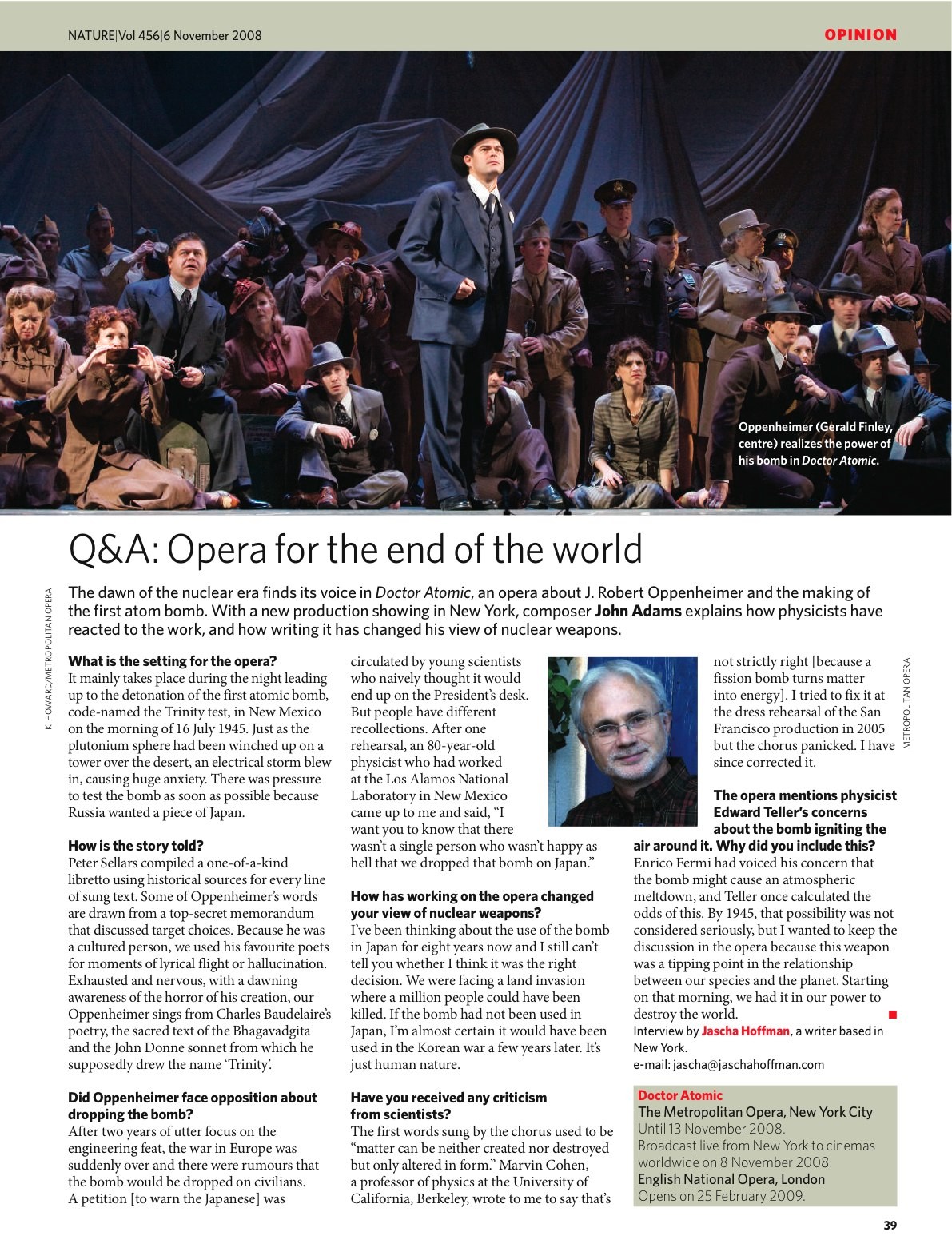 The dawn of the nuclear era finds its voice in Doctor Atomic, an opera about J. Robert Oppenheimer and the making of the first atom bomb. With a new production showing in New York, composer John Adams explains how physicists have reacted to the work, and how writing it has changed his view of nuclear weapons... [jpg] [text]
The New York Times
Science of the Five Senses



The taste of a ripe tomato, the hook of a catchy song, the scent of a lover’s hair. What is it, exactly, that drives us to seek these things again and again? In a series of talks at the New York Academy of Sciences, researchers and artists will raise a question for the amateur hedonist: If we had a better understanding of the signals our bodies send to our brains, might we take more pleasure from them? [full text]
Nature
Science at the Movies
When scientists appear on the big screen, if at all, they tend to be going mad or else paying for their hubris — think Dr. Strangelove, Jurassic Park and A Beautiful Mind. This month, two new film festivals aim to correct this impression... [full text]
Believer
An Approximate Timeline of Twisted Translations
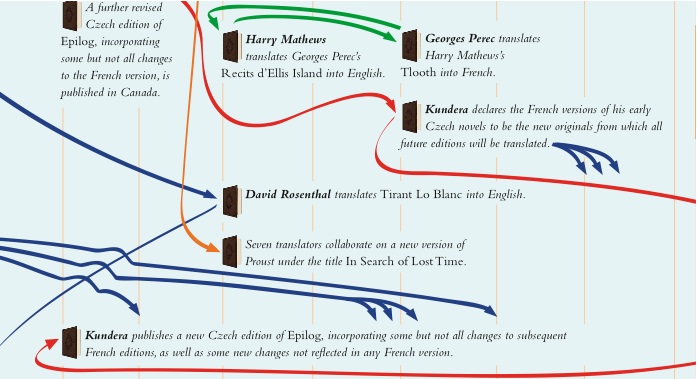 Some novelists refuse every translator but themselves. Some see their work travel through a chain of languages to reach its public. Others find themselves translating the work of their own translator. In the October issue of The Believer, in a chart inspired by the work of Adam Thirlwell and designed by the incomparable Alvaro Villanueva, I map out some of the most vexing moments in the history of literary translation. [pdf]
[buy the issue]
Some novelists refuse every translator but themselves. Some see their work travel through a chain of languages to reach its public. Others find themselves translating the work of their own translator. In the October issue of The Believer, in a chart inspired by the work of Adam Thirlwell and designed by the incomparable Alvaro Villanueva, I map out some of the most vexing moments in the history of literary translation. [pdf]
[buy the issue]
Nextbook
Israel from the Inside
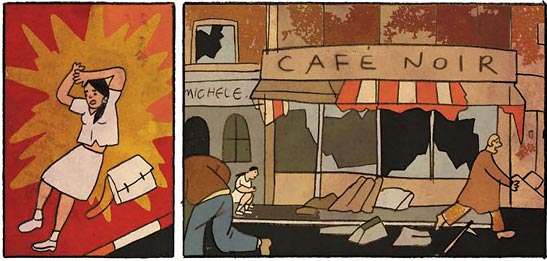 “Sometimes life is too much, you have to tone it down to make art,” says the Israeli cartoonist Rutu Modan. Her own work has evolved over the past fifteen years from rather strange and grotesque fables into some of the strongest graphic fiction on the planet... [full text]
Science Times
Health on the Web
An atlas of skin diseases, a Facebook for the terminally ill, and more from a set of Web site reviews in the New York Times' special section "Decoding Your Health." [full text]
Nature
Maths and Mad Hatters
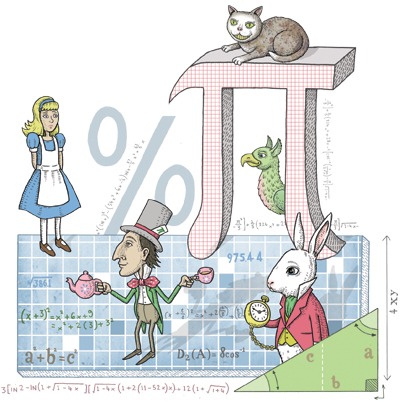 Legend has it that Queen Victoria was so enchanted by Alice's Adventures in Wonderland that she insisted on Lewis Carroll's next work being sent to her. One can imagine her expression as she opened the book that arrived, entitled An Elementary Treatise on Determinants...[full text] [pdf]
Nature
A Universal Library of Math?
All the mathematical literature ever published runs to more than 50 million pages, with around 75,000 articles added each year. Over the past decade there have been several attempts to make this prodigious body of work accessible in a single digital archive, but so far none has succeeded... [full text]
Nature
Alda on Einstein
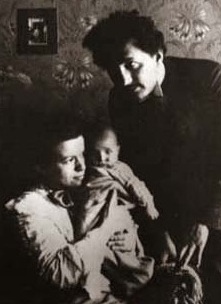
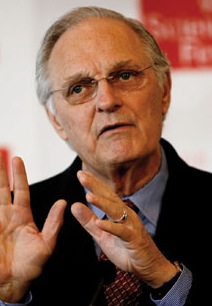
At last month's World Science Festival in New York, Alan Alda presented his new play drawn from Albert Einstein's letters... [full text][pdf]
The New York Times Book Review
Dreams and Disaster
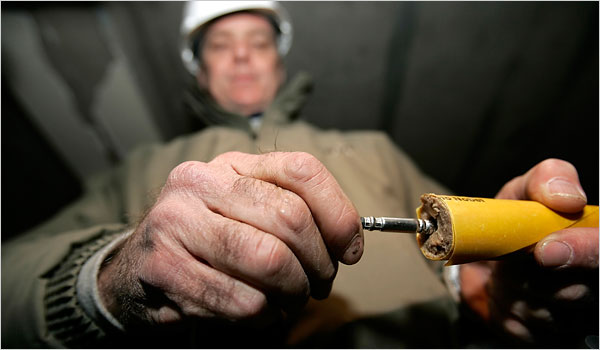 On long bus rides, David Samuels used to fake a Southern accent and tell strangers he was raised on Army bases rather than in the Orthodox Jewish household in Brooklyn where he grew up. “There was something scary about the ease with which I became a new person, a fictional character,” he has written. “I felt cold inside, and detached from my own body"... [full text]
Nature
How Faces Share Feelings
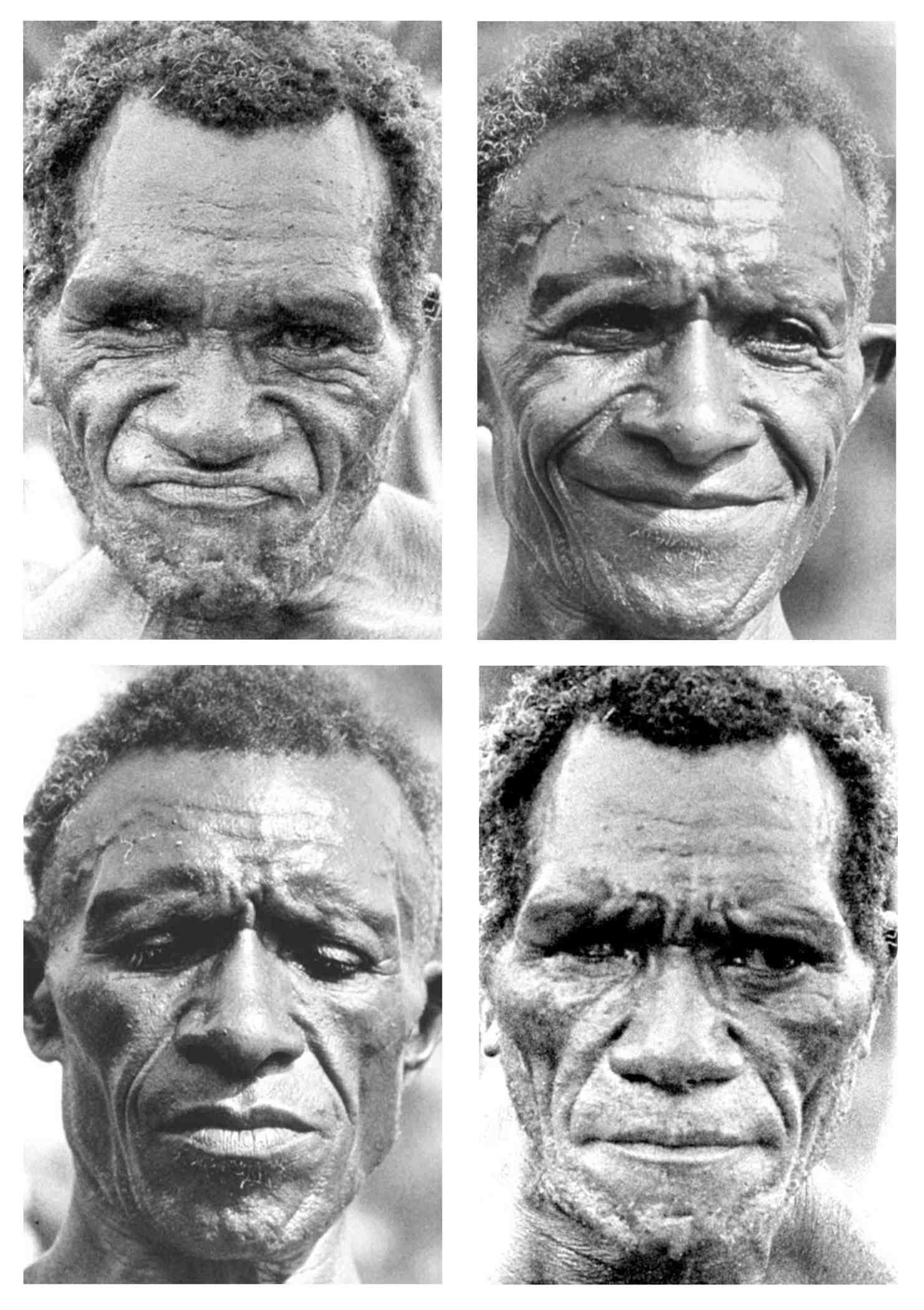 In the 1960s, many anthropologists thought that a smile could convey joy in one culture and disgust in another. Paul Ekman had a hunch that this relativistic thinking was wrong. So he took his camera to the island of New Guinea to photograph the faces of the South Fore people ...
[full text]
In the 1960s, many anthropologists thought that a smile could convey joy in one culture and disgust in another. Paul Ekman had a hunch that this relativistic thinking was wrong. So he took his camera to the island of New Guinea to photograph the faces of the South Fore people ...
[full text]
The New York Times Book Review
Besieged
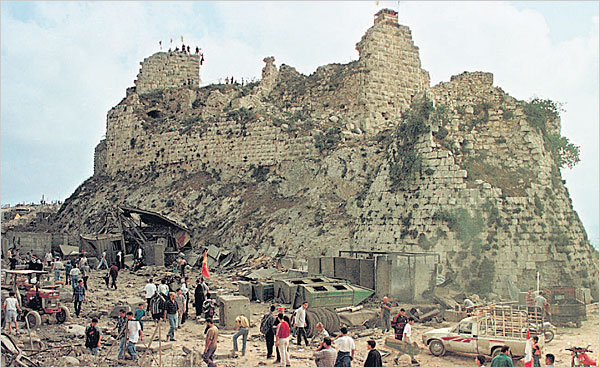 Beaufort Castle, built by crusaders on a mountaintop in what is now southern Lebanon, passed through many hands before being captured from the P.L.O. by invading Israeli troops in 1982. In this gritty first novel, the young Israeli journalist Ron Leshem imagines the tedium and terror of a small group of soldiers inside the fortress walls in the months leading up to the Israeli Army’s withdrawal in 2000...
[full text]
Beaufort Castle, built by crusaders on a mountaintop in what is now southern Lebanon, passed through many hands before being captured from the P.L.O. by invading Israeli troops in 1982. In this gritty first novel, the young Israeli journalist Ron Leshem imagines the tedium and terror of a small group of soldiers inside the fortress walls in the months leading up to the Israeli Army’s withdrawal in 2000...
[full text]
Nature
Home Cooking for Hackers
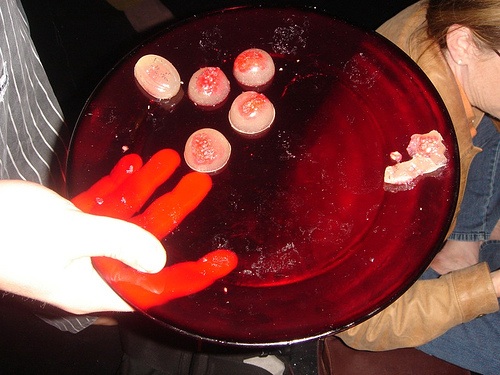 In the kitchen, we're all amateur chemists. Just as a hardware hacker adapts an electronic device to a new purpose, a food hacker recombines ingredients in unconventional ways...
The New York Times Book Review
From the Depths
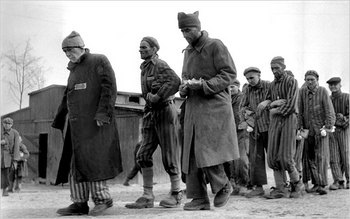 At the end of Fred Wander’s novel about life in the Nazi camps, the narrator lies in the children’s barracks of Buchenwald between a dead man and a pack of starving Jewish boys. It is April 1945; American tanks are at the gate. Delirious from typhus, he is overcome by hope as he watches the boys slice up a potato. “Some might say the camp and its bestial conditions had destroyed their human substance,” he writes, but “I knew right then: everything will start over, nothing has been lost.” [full text]
[pdf]
At the end of Fred Wander’s novel about life in the Nazi camps, the narrator lies in the children’s barracks of Buchenwald between a dead man and a pack of starving Jewish boys. It is April 1945; American tanks are at the gate. Delirious from typhus, he is overcome by hope as he watches the boys slice up a potato. “Some might say the camp and its bestial conditions had destroyed their human substance,” he writes, but “I knew right then: everything will start over, nothing has been lost.” [full text]
[pdf]
Nextbook
Dreams of the Father
 In 1990, Rodger Kamenetz traveled to Tibet with a group of American Jews to meet the Dalai Lama. On that trip, which he describes in The Jew in the Lotus, he happened to learn that some Buddhists meditate within their dreams. He began to wonder how dreams had been understood in Jewish texts and found that, while they had once been considered a source of revelation, dreams had been all but exiled from the tradition...[full text at Nextbook]
Salon
Shortcomings
 Under the dust jacket of Adrian Tomine's first graphic novel, "Shortcomings," printed along the bottom edge of the front cover, lies a ruler. It's a gentle nod to a recurring joke that reveals the insecurities of the book's main character, Ben Tanaka, a chubby, grouchy movie theater manager recently abandoned by his girlfriend. At one point, as he is considering dating a lesbian in the hopes that she'll be less "size-conscious," he repeats a riddle he heard in college: "What's the main difference between Asian and Caucasian men?" [full text at Salon]
Nature
Science in Arabic
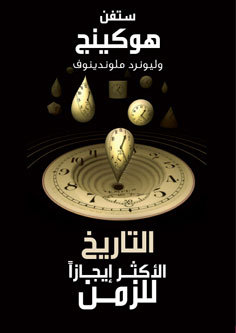 Hundreds of science books, including classics by Isaac Newton and Stephen Hawking, will be translated into Arabic for the first time. The ambitious plan by a non-proft group in Abu Dhabi has the backing of the Crown prince ... [full text at Nature] [pdf]
The New York Times Magazine
Criminal Element
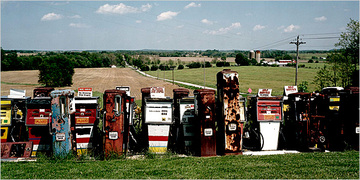 Has the Clean Air Act done more to fight crime than any other policy in American history? That is the claim of a new environmental theory of criminal behavior...
[full text] [pdf]
Has the Clean Air Act done more to fight crime than any other policy in American history? That is the claim of a new environmental theory of criminal behavior...
[full text] [pdf]
The New York Times Book Review
Louder Than Words
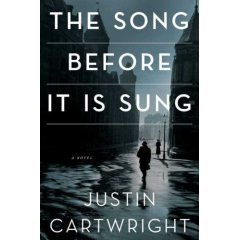 In July 1944, a member of the German resistance slipped a briefcase of explosives under Hitler's table as part of a conspiracy to take down the Third Reich. The bomb went off, but someone had unwittingly edged the briefcase aside and Hitler of course survived. The conspirators were arrested, their failure confirming Hitler's belief that he had been chosen to make history. Among those rounded up was the German lawyer and aristocrat Adam von Trott, who as a Rhodes Scholar in prewar Oxford had been a friend of the British philosopher Isaiah Berlin...
[full text]
[pdf]
In July 1944, a member of the German resistance slipped a briefcase of explosives under Hitler's table as part of a conspiracy to take down the Third Reich. The bomb went off, but someone had unwittingly edged the briefcase aside and Hitler of course survived. The conspirators were arrested, their failure confirming Hitler's belief that he had been chosen to make history. Among those rounded up was the German lawyer and aristocrat Adam von Trott, who as a Rhodes Scholar in prewar Oxford had been a friend of the British philosopher Isaiah Berlin...
[full text]
[pdf]
The New York Times Book Review
Sugar and Spice
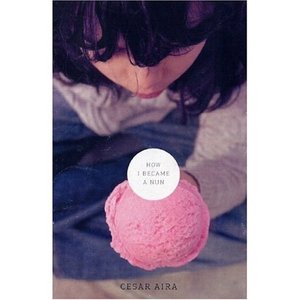 César Aira is a 6-year-old Argentine girl whose first taste of strawberry ice cream is tainted with cyanide. “I was a devoted daughter,” she says as she lifts the spoon to her lips. “Dad could do no wrong in my eyes.” After she retches, though, her father flies into a rage and murders the ice cream vendor, and the child collapses into a monthlong toxic delirium. She wakes in a hospital bed to a doctor who asks, “And how are we today, young Master César?” Lucky to have been one of the survivors of an unexplained wave of food poisoning, César still has one big, though unstated, problem: she is a precocious little girl trapped in the body of a boy...
[full text]
[pdf]
César Aira is a 6-year-old Argentine girl whose first taste of strawberry ice cream is tainted with cyanide. “I was a devoted daughter,” she says as she lifts the spoon to her lips. “Dad could do no wrong in my eyes.” After she retches, though, her father flies into a rage and murders the ice cream vendor, and the child collapses into a monthlong toxic delirium. She wakes in a hospital bed to a doctor who asks, “And how are we today, young Master César?” Lucky to have been one of the survivors of an unexplained wave of food poisoning, César still has one big, though unstated, problem: she is a precocious little girl trapped in the body of a boy...
[full text]
[pdf]The New York Times Book Review
Comparative Literature

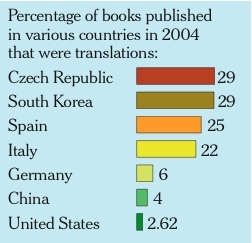
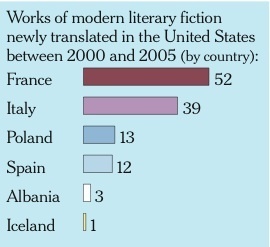
Translation by the numbers, as featured on the back page of the New York Times Book Review.
[full text][pdf].
(Sources: Andrew Grabois, Chad Post.)
Resume
Resume
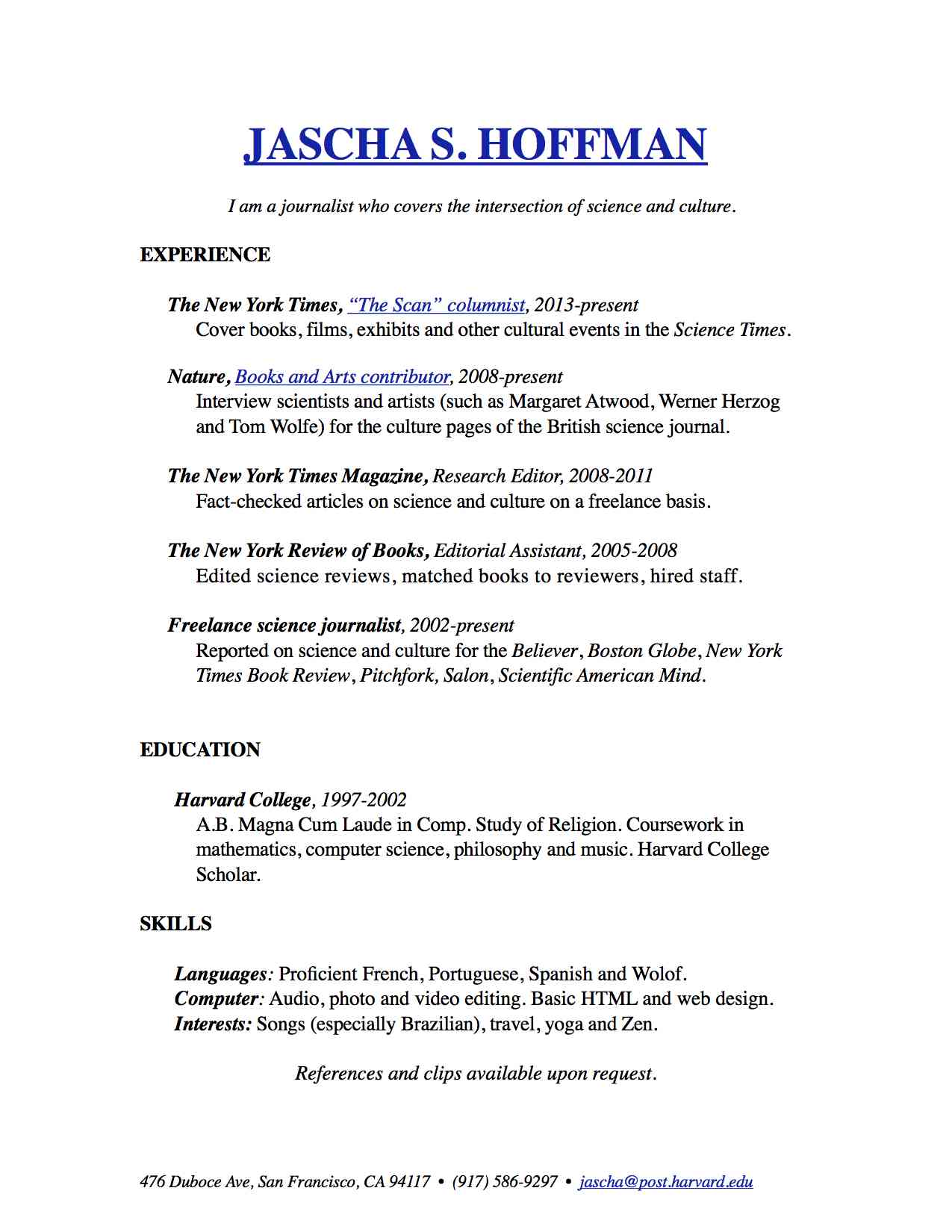 THE NEW YORK TIMES, "The Scan" columnist, 2013 - present
• Cover books, films, exhibits and other cultural events in the Science Times.
NATURE, Books and Arts contributor, 2008-present
• Cover books, films, exhibits and other cultural events in the Science Times.
Interview scientists and artists (such as Margaret Atwood, Werner Herzog and Tom Wolfe) for the culture pages of the British science journal.
NEW YORK TIMES MAGAZINE, Research Editor, 2008-2011
• Fact-checked articles on science and culture on a freelance basis.
NEW YORK REVIEW OF BOOKS, Editorial Assistant (2005-2008)
• Edited science reviews, matched books to reviewers, hired staff.
FREELANCE SCIENCE JOURNALIST, 2002-present
• Reported on science and culture for Believer, Boston Globe, Nature, Pitchfork, Salon, Scientific American Mind, and The New York Times Book Review and Magazine.
THE NEW YORK TIMES, "The Scan" columnist, 2013 - present
• Cover books, films, exhibits and other cultural events in the Science Times.
NATURE, Books and Arts contributor, 2008-present
• Cover books, films, exhibits and other cultural events in the Science Times.
Interview scientists and artists (such as Margaret Atwood, Werner Herzog and Tom Wolfe) for the culture pages of the British science journal.
NEW YORK TIMES MAGAZINE, Research Editor, 2008-2011
• Fact-checked articles on science and culture on a freelance basis.
NEW YORK REVIEW OF BOOKS, Editorial Assistant (2005-2008)
• Edited science reviews, matched books to reviewers, hired staff.
FREELANCE SCIENCE JOURNALIST, 2002-present
• Reported on science and culture for Believer, Boston Globe, Nature, Pitchfork, Salon, Scientific American Mind, and The New York Times Book Review and Magazine.
EDUCATION Harvard College, 1997-2002 A.B. Magna Cum Laude in Comp. Study of Religion. Coursework in computer science, philosophy and music. Harvard College Scholar. LANGUAGES: French, Portuguese and Wolof. COMPUTER: Audio and video editing. Simple web design. INTERESTS: Songwriting and Brazilian music, yoga and Zen. References and clips available upon request.
The New York Times Magazine
The Ambient Walkman
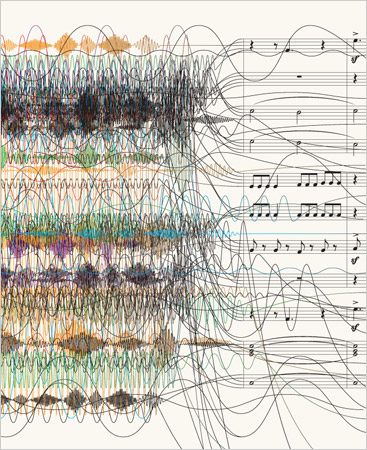 The popularity of the iPod has given new urgency to an old criticism of the portable music player: namely, that it isolates the listener by tuning out the world around him. As one response to this problem, Noah Vawter, a graduate student at the M.I.T. Media Lab, has created a pair of headphones that tunes the listener back in...
The New York Times Magazine
Sousveillance
Surveillance, from the French for ''watching over,'' refers to the monitoring of people by some higher authority -- the police, for instance. Now there's sousveillance, or ''watching from below.'' It refers to the reverse tactic: the monitoring of authorities by informal networks of regular people, equipped with little more than cellphone cameras, video blogs and the desire to remain vigilant ... [full text]
The New York Times Magazine
Consensual Interruptions
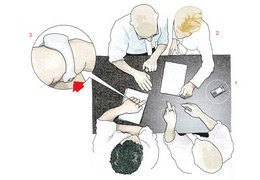 The problem is all too familiar: You're chatting with a group of people when someone's cellphone goes off, interrupting the conversation. What makes the intrusion irritating isn't so much the call itself - the caller has no way of knowing if he has chosen a good time to cut in. It's that the group as a whole doesn't have any say in the matter. Until now...
The New York Times Magazine
The Porn Suffix
Establishing a new Internet suffix like ''.com'' or ''.org'' takes deep pockets and patience. This has not deterred Stuart Lawley, a Florida entrepreneur, from trying to establish a pornography-only ''.xxx'' domain. In such a realm, Lawley could restrict porn marketing to adults only, protect users' privacy, limit spam and collect fees from Web masters. The .xxx proposal was finally slated...
Legal Affairs
Suspect Memories
Taking into account decades of scientific research, New Jersey is reforming its lineup procedures to reduce the number of false identifications. As our reporter discovered the hard way, however, it's never easy to pick a perpetrator out of a crowd...
The New York Times Magazine
Underwear for Animated People
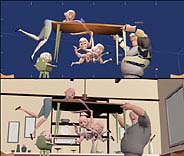 When Pixar animators were creating ''The Incredibles,'' they noticed a certain limpness in the movements of a key character, the diminutive fashion diva Edna Mode. Her skirt appeared to sag and crumple as she walked. The animators could have taken the trouble to iron out the glitches frame by frame. But they devised a more ...
The New York Times Magazine
The Virtual Sketch Artist
For years, crime witnesses have been asked to come down to the police station and describe crime suspects to sketch artists. Recently, though, psychologists have found that when witnesses try to describe a face, they often distort their memory of it. Could there be a better way? Police stations in the English county of Kent say they believe they have...
The New York Times Book Review
The Birth of the Mind
 Gary Marcus, the psychologist who directs the Infant Language Center at New York University, wants to do something that would have been impossible a decade ago: reveal the genetic origins of the mind. Marcus posits that the brain is wired up by the genes to learn from its surroundings, a view considered extreme by many neuroscientists ...
Boston Globe
Crash Course
MINEOLA, LONG ISLAND - William "Rusty" Haight has survived more automobile crash tests than anyone else on Earth, and I'm dodging four lanes of traffic with him — on foot. Rusty has flown out from San Diego to testify on a double-murder case. Two kids are drag-racing a Corvette and a Mercedes down a city street much like the...
Science Times
Bacteria-Eating Viruses
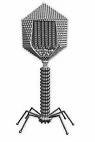 As bacteria have grown increasingly resistant to standard antibiotics, scientists have begun a desperate search for alternatives to the drugs. In one promising approach, they are trying to harness viruses that naturally evolved to prey on harmful bacteria and to use them as weapons for staving off intruders. That may sound like a new idea, but it is a revival of an ancient remedy ...
Boston Review
The Riemann Hypothesis
The Riemann Hypothesis is, roughly speaking, a 150-year-old guess about how the prime numbers are spaced along the number line. Computers have been able to give very strong evidence for this guess, and hundreds of papers have been written assuming its validity. It is one of those rare problems that is both intelligible to the uninitiated and of deep mathematical interest. But despite the efforts of generations of the world’s best mathematicians, it has yet to be proved or disproved ...
Boston Globe
Picking Up the Pieces
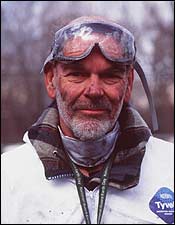 WHEN RICHARD GOULD, an archaeologist at Brown University, took a walk in Lower Manhattan in October 2001, his trained eye fixed on a gravelly dust strewn on dumpsters and fire escapes that cleanup crews had missed. Looking closer, he saw that the coating contained bone fragments and other human remains mixed in with concrete dust and ash.
Boston Globe
Insider Trading: A Good Thing?
ALREADY FACING UP to 20 years in prison following her conviction last Friday on four charges stemming from a 2001 sale of ImClone stock, Martha Stewart may still have to run another legal gauntlet as the Securities and Exchange Commission prepares a civil charge of insider trading. But as supporters continue to defend the domestic diva, some economists are...
Boston Globe
Pigskin Pythagoras
IN FOOTBALL, not all 15-yard passes are created equal. Say it's the end of the 4th quarter of Super Bowl XXXVIII and the Panthers are trailing by three on their own 35-yard line. It's 4th-and-16 with a minute left. Delhomme passes to wide receiver Steve Smith, who is tackled one yard short of a 1st down. While the crowd roars,...
Pitchfork
Erik Friedlander: Maldoror
[Brassland; 2003] Rating: 8.3 In 1846, Isidor Ducasse was born to a French consular official in Uruguay. By 1862, he had graduated from a French boarding school, where he's said to have excelled at arithmetic, drawing, and Latin verse translation. He was known to his peers as a silent boy who wrote "bizarre and obscure" poems. At 21, he...
Boston Globe
Solving the Poincaré Conjecture
BERKELEY, Calif. - A reclusive Russian mathematician appears to have answered a question that has stumped mathematicians for more than a century. After a decade of isolation in St. Petersburg, over the last year Grigory Perelman posted a few papers to an online archive. Although he has no known plans to publish them, his work has sent shock waves through...
New York Sun
Children Wary of That First Visit to Santa
Yes, Virginia, there is a Santa Claus. And, no, Virginia, children don't always smile when they first visit him. More than 95% of children were visibly indifferent or hesitant when they approached Santa, according to research just performed by a business school professor. While few of the children were smiling, most parents seemed quite happy and excited. "I thought more...
Boston Globe
Stars and Signs Forever
Every day, tens of millions of Americans read their horoscopes. The predictions of love and wealth are, if not reassuring, at least diverting. The personality profiles -- based on the division of the night sky into 12 houses, each carrying a myth-laden zodiac sign -- offer food for thought. And the compatibility advice -- based on the relationship between...
Pitchfork
Iron & Wine: The Sea and the Rhythm EP
It struck everyone as a little weird that Sub Pop would be the one to issue Sam Beam's hushed folk debut. From a distance, Beam's lo-fi compositions sounded like a Harry Smith field recording plucked away by Nick Drake with Crosby, Stills & Nash on backup. But close up it was all about the poetry: concrete, ambiguous, and laced with tender irony...
Boston Globe
Are All Elections Chaotic?
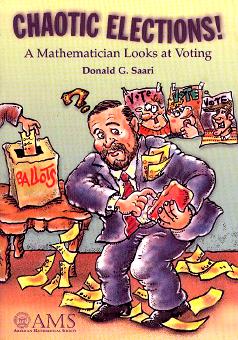 WITH 135 NAMES on the ballot, the confusions of the California recall election may make Florida's stray butterfly ballots look like kindergarten chaos theory. Or so says Donald Saari, a mathematician at the University of California, Irvine, who claims to list all possible "election paradoxes'' in a slim, accessible volume called "Chaotic Elections!'' (AMS, 2001). Saari sees the potential for "chaos'' in even the simplest election procedures...
Boston Globe
It Takes Four
Here's a problem Lewis Carroll enjoyed posing to kids like Alice: how many colors do you need to fill in any map so that neighboring countries are always colored differently? It sounds simple enough. But when a Victorian law student first posed the question, guessing that it could be done with a mere four colors, logician Augustus De Morgan...
Pitchfork
Prefuse 73: One Word Extinguisher
Prefuse 73 One Word Extinguisher [Warp; 2003] Rating: 9.1 Up to now, Scott Herren -- the shy, lanky Atlantan responsible for Prefuse 73's fabulous glitch-hop debut Vocal Studies + Uprock Narratives -- hasn't made his name as a purveyor of confessional music. The closest he ever came was the laptop catharsis of Delarosa and Asora, which had no secrets...
Castro Alves: Brazil's Abolitionist Poet
If you're a kid in Bahia, Brazil, you are familiar with the bronze statue depicting slaves being whipped on top of the memorial theater bearing his name. When you memorize his poems in school, you learn that he's more than just the most influential abolitionist thinker Brazil had ever known: he is a major Afro-Brazilian writer, the man who...
Music
90-second Beatles Companion
Condensed versions of the White Album and Sgt. Pepper's....
Boston Globe
Lonely Planet
THERE ARE ABOUT 100 billion galaxies in the observable universe, each with hundreds of billions of stars. What are the chances that there's any interesting life out there? In 1961, astronomer Frank Drake proposed a simple answer: We can assume that some stars have planets, some planets host single-celled life forms, some of those life forms survive to develop intelligence,...
Music
Serge Inventions
A crude start, a new idiom, and a Buster Keaton score....
Search
Contents
Recent Posts
Archives
- December 2014
- August 2013
- July 2013
- April 2013
- March 2013
- February 2013
- January 2013
- December 2012
- October 2012
- September 2012
- August 2012
- January 2012
- October 2011
- August 2011
- February 2011
- January 2011
- December 2010
- November 2010
- October 2010
- August 2010
- July 2010
- May 2010
- April 2010
- January 2010
- December 2009
- October 2009
- September 2009
- August 2009
- June 2009
- May 2009
- April 2009
- February 2009
- January 2009
- December 2008
- November 2008
- October 2008
- September 2008
- July 2008
- June 2008
- May 2008
- April 2008
- March 2008
- January 2008
- December 2007
- November 2007
- October 2007
- August 2007
- May 2007
- April 2007
- February 2007
- December 2006
- December 2005
- January 2005
- December 2004
- August 2004
- May 2004
- April 2004
- March 2004
- February 2004
- January 2004
- December 2003
- November 2003
- September 2003
- August 2003
- May 2003
- March 2003
- January 2003
- November 2002
- January 2000
Powered by
Movable Type 3.33
Movable Type 3.33